Supporting Research in Pain Management for Veterans and Military Service Members

Acute Pain Population

Substance Use (SUD) Measures

We compared operational definitions (ICD9/10) that targeted a non-VA research setting (PROUD), a VA research setting (Seal et al., 2019) and non-research quality measurement system, the Healthcare Effectiveness Data and Information Set (HEDIS) and determined that there was overlap across SUD sub-categories of opioid use disorder, alcohol use disorder, other substance used disorders. Based on this review, Primary Care Opioid Use Disorders Treatment Trial (PROUD) was recommended as the phenotype for the PMC-3.


Read More »

NSCAP

The NSCAP assesses the frequency, targeted outcome (e.g., “to manage pain”), perceived effectiveness, and setting of these approaches.

Read More »

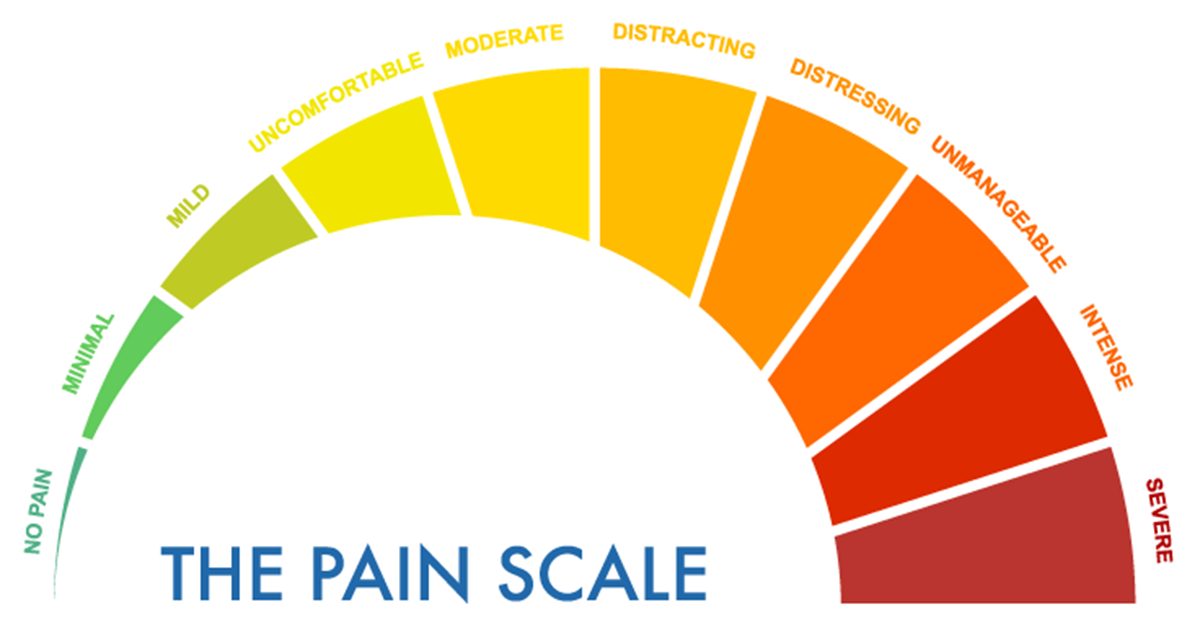
Pain Intensity Threshold

In surveys of patients with chronic pain, pain intensity is described as a critically important dimension of the pain experience and a crucial target of pain treatments (Turk et al., 2008). Moreover, panels of pain experts have suggested that “For most clinical trials of chronic pain treatments, a measure of pain intensity will provide the primary outcome measure.”

Read More »

PHQ-2

The Patient Health Questionnaire-2 (PHQ-2) is a widely used, patient-reported, 2-item screening measure for depression.

Read More »

AUDIT-C

The Alcohol Disorders Identification Test-Concise (AUDIT-C) is a brief alcohol use disorder screening instrument that reliably identifies individuals who are at risk for alcohol use disorder (including alcohol abuse or dependence).

Read More »

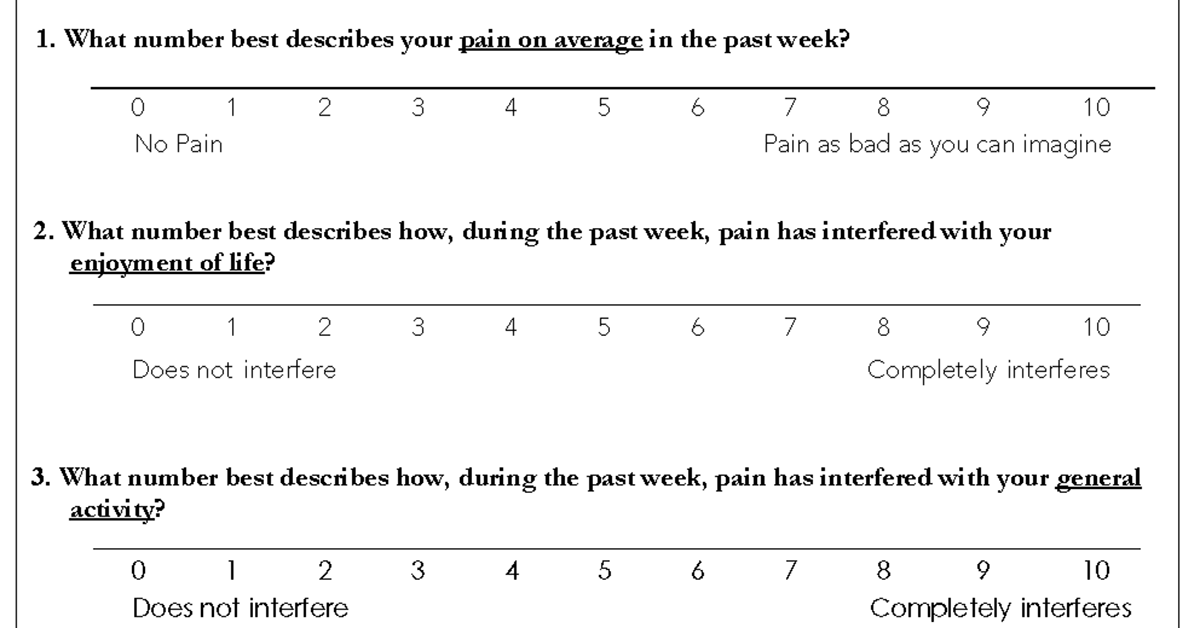
PEG

The PEG is a brief, convenient, patient-reported pain outcome measure that is derived from the Brief Pain Inventory.

Read More »