
Impact of the COVID-19 Pandemic on Non-Pharmacological Pain Management Trials in Military and Veteran Healthcare Settings
PMC Coordinating Center extends its appreciation to the authors for the impactful research into the the effects of the COVID-19 on non-pharmacological pain management trials in military and veteran healthcare settings. Research done by Amanda Midboe, et al, informs multiple areas of implications.

A Whole Person Approach to Lifting the Burden of Chronic Pain Among Service Members and Veterans
Chronic pain and its companion crisis of opioid misuse have taken a terrible toll on Americans, but the impact has been even greater on U.S. service members and veterans, who often deal with the compounded factors of service-related injuries and traumatic stress. NCCIH Director Helene M. Langevin, MD, discusses the impact of the Pain Management Collaboratory.

Cognitive Behavioral Therapy for Veterans With Comorbid Posttraumatic Headache and Posttraumatic Stress Disorder Symptoms
This manuscript described the primary outcomes from a CBT-based intervention designed to address headache attributable to mild TBI and comorbid PTSD in Veterans. We found that the CBT headache intervention produced headache outcomes that were superior to medical management in VA polytrauma and PTSD outcomes comparable to Cognitive Processing Therapy.
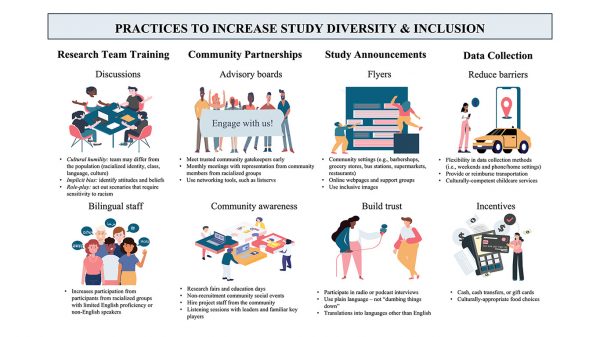
Confronting Racism in All Forms of Pain Research: A Shared Commitment for Engagement, Diversity, and Dissemination
The third paper in the three-part series on addressing racism in pain research, the authors advocate for a shared commitment toward an antiracism framework in pain research. They identify community partnerships, diversification of research environments, and changes to dissemination practices.

Confronting Racism in All Forms of Pain Research: Reframing Study Designs
This second paper in a 3-part series on antiracism in pain research across the translational spectrum focuses on study design factors.

Confronting Racism in Pain Research: A Call to Action
Part one of these three-part series on addressing racism in pain research offers historical and theoretical background, as well as proposed shifts in language and practices in pain research frameworks, to promote the incorporation of antiracism research practices.